Smart Factories: The Future of Food and Beverage Manufacturing
Looking Ahead to the Factory of Tomorrow
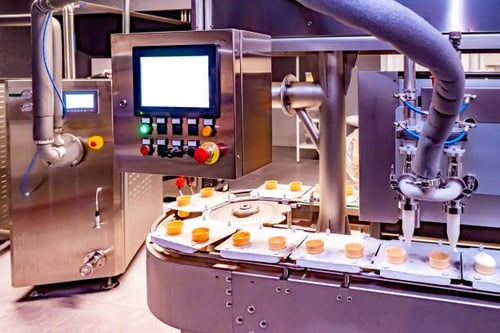
Imagine walking into your factory in 2040. Production schedules update instantly as orders shift. Ingredients arrive the moment they are needed, not a day earlier or later. Equipment bottlenecks are anticipated and resolved before they cause delays. Supply chains are resilient, adjusting to disruptions without halting production. Waste from expired or unused materials has been nearly eliminated.
This is the vision of the smart factory. It may feel far off, but the steps you take today with production scheduling, demand planning, and supply chain alignment determine whether this vision becomes reality.
What Smart Factories Represent
A smart factory is not defined only by new machines or digital dashboards. It is a facility where decisions are guided by accurate data, schedules reflect true capacity, and supply chains operate as flexible networks instead of rigid pipelines.
In this future, scheduling is no longer a static task completed once a week. It is dynamic, constantly adjusting as demand, capacity, and materials shift. With this approach, you gain visibility across your operation and the ability to make strategic choices that improve efficiency, reduce risk, and strengthen delivery performance.
The Challenge Today: Where Most Plants Are Starting From
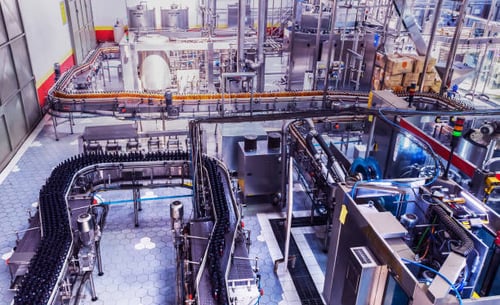
Most factories in Food and Beverage manufacturing still rely heavily on traditional MRP to plan materials and production runs. MRP is useful, but it assumes infinite capacity. The schedules it generates often look feasible until they meet the reality of labor limits, machine downtime, and long changeovers.
Batch production scheduling adds another layer of difficulty. Perishable ingredients, bulky packaging, and fluctuating demand make it hard to balance efficiency with responsiveness. Without clear visibility into the supply chain, even small delays ripple across the schedule, forcing costly rescheduling and overtime.
These gaps are what separate today’s operations from tomorrow’s smart factories. Recognizing them is the first step to building a strategy for the future.
From Forecast-Driven to Demand-Driven Scheduling
Forecasting has always shaped production plans, but forecasts are imprecise. When they miss, the consequences are costly. By 2040, factories that succeed will rely less on static forecasts and more on demand-driven scheduling that adapts in real time.
This shift reduces the risks of overproduction and spoilage. It also prevents the frustration of running short on high-demand items. Building toward demand-driven scheduling today means your production system can respond to real customer needs rather than assumptions that may not hold.
Finite Scheduling as the Foundation
The foundation of the smart factory is finite scheduling. Unlike MRP, which assumes infinite resources, finite scheduling respects the limits of machines, labor, and materials. It plans around bottlenecks, changeovers, and true capacity.
Finite capacity scheduling helps reduce waste, improve throughput, and avoid costly overtime. It also strengthens trust with customers and suppliers because delivery promises are based on realistic plans. By 2040, factories built on finite scheduling will not just be efficient, they will be reliable and resilient.
Building Smarter Supply Chain Connections
A smart factory does not operate in isolation. It is part of a supply chain that functions as a connected system. With integrated scheduling, procurement, logistics, and production work in alignment. When shortages occur, schedules adapt. When transportation delays are identified, plans adjust to minimize disruption.
Moving toward a demand-driven supply chain gives you more control over variability. Sharing production schedules with suppliers and distributors makes planning collaborative rather than siloed. This level of visibility creates resilience and helps protect service levels even when conditions change.
Practical Steps You Can Take Today
The vision of 2040 may feel far off, but the journey starts with simple steps:
- Align MRP with finite scheduling. Compare material plans against actual capacity to identify gaps.
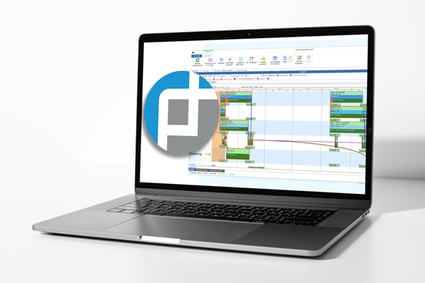
- Pilot real-time production scheduling software. Test dynamic adjustments on a single product line.
- Integrate supply chain visibility. Share production schedules with procurement and logistics to strengthen alignment.
- Refine scheduling strategies. Focus on methods that reduce waste, improve throughput, and keep production tied to actual demand.
Each step moves your factory closer to a system that is more adaptable, more efficient, and more resilient.
Casting the Vision Forward
The factory of 2040 will be defined by agility, visibility, and efficiency. Production schedules will adapt instantly, supply chains will flex seamlessly, and waste will be minimized across the board.
The path to that future starts with the decisions you make today. Finite scheduling, demand-driven planning, and integrated supply chain scheduling are not abstract concepts. They are the foundation of smart factories that will thrive in the decades ahead.
Are you ready to take the first step toward your smart factory vision? Request a demo and see how advanced planning and scheduling can help you prepare for the future.