There are over 3000 breweries in the United States, and that number grows daily. With so many breweries out there, how is it possible to not only remain competitive but grow? The New Belgium Brewing Company in Fort Collins, CO has developed from a basement operation in 1991 to the third largest craft brewery in the nation.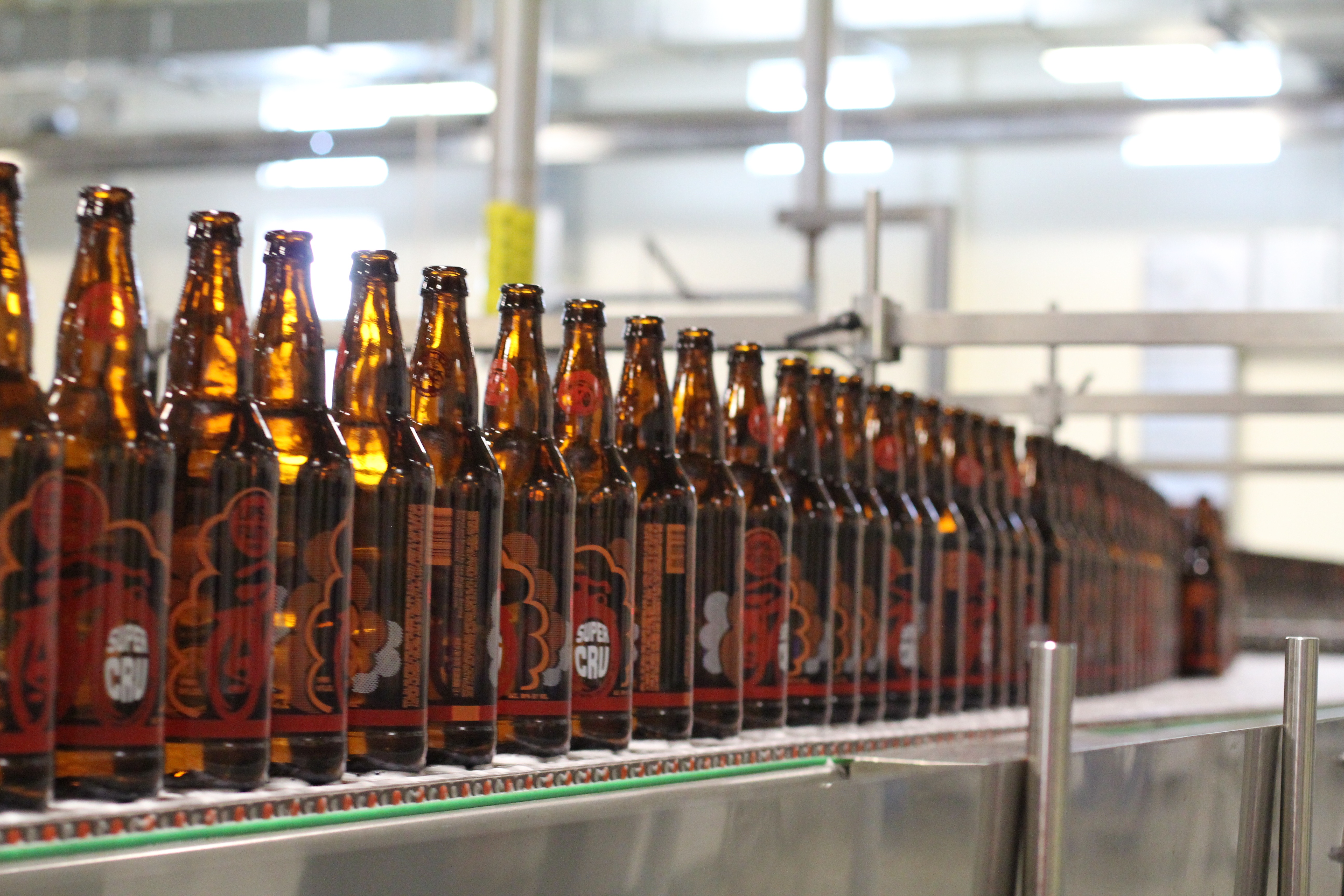
Though there’s something to be said about the quality of the beer (their 1554 is a personal favorite), New Belgium’s dedication to improving their operations efficiency sets them apart. From their ESOP high-involvement culture, to waste diversion, every business decision is a conscious step towards greater efficiency.
Multiple facility planning
Later this year, New Belgium will be opening a second location in Asheville, NC. As an environmentally conscious company, the decision to open an East Coast location was intentional; they want to limit the ecological impact that comes with trucking product and resources all over the country. When running multiple facilities, production planning becomes ever-more important.
New Belgium is using advanced planning and scheduling software that can coordinate information between both facilities. This type of software takes raw data and interprets it into a course of action. When demand for Ranger IPA increases in one region, the nearest facility can be scheduled for production. If one facility has a surplus, product can be transferred.
Packaging for expansion
This decision to expand may have been behind the decision to change their packaging last year. New Belgium is known for their intricate package design, so the overhaul was not considered lightly. Indeed, CEO Kim Jordan attributes much of the company’s success to their visual presence and familiarity. "Our beers were good, our labels were interesting to people, and we pretty quickly had a fairly robust following.”
In the end, however, it’s one of the smartest moves a growing business can make. Their elaborate labels built their brand, but as the company grew, the image details became less efficient to reproduce. By streamlining the design and keeping the major elements, they were able to maintain branding but increase packaging production.
Scheduling printers
When faced with batch operations, the less complicated the design, the better. Different printers have different capacities: some print at higher speeds, others have a wider range of color. Having clean designs and simple color schemes reduces the variables between printing a 6-pack carrier for Sunshine Wheat Beer and a case for Snapshot Wheat Beer.
With nine year-round beers and a number of seasonal and limited edition brews, New Belgium ends up printing a lot of different designs. Production planning software cross-references packaging lines with production lines to create a common planning horizon. This creates longer batch runs and limits the number of changeouts that machinists have to perform.
Building and shipping
When manufacturing packaging for a brewery, you’re looking at printing the material, die cutting it to the right shape, gluing the piece together, and flat-packing it for shipment. All of these functions require different machinery. Sitting down and planning the best course of action for production can take experienced managers hours to coordinate. Production planning software can schedule projects in minutes, and has the added benefit of quickly adjusting to maintenance shutdowns or unexpected events.
For a brewery to grow, generating more product isn’t enough. The entire process of production, packaging and transportation has to be streamlined for best practices.
Multi-Plant Production Planning with PlanetTogether APS
See how PlanetTogether APS handles multi-plant production planning, from shifting demand between sites to visualizing shared capacity across lines and locations. This “MultiPlant 101” video walks through how manufacturers—and breweries in particular—use APS to synchronize schedules, reduce changeovers, and keep every facility aligned.
See How Advanced Scheduling Scales a Growing Brewery
Breweries like New Belgium are proving that growth isn’t just about brewing more beer—it’s about planning smarter across lines, packages, and facilities. With advanced planning and scheduling (APS), teams get one live plan that balances demand, packaging, and capacity instead of juggling spreadsheets and tribal knowledge.
In our brewing case study, a fast-growing brewery used PlanetTogether APS to coordinate production across multiple sites, optimize changeovers, and recover capacity on existing equipment—while improving on-time delivery.
Prefer to see it in your world?