
Quick Answer: How Manufacturers Balance Technology and Workforce Needs
Manufacturers balance technology and workforce needs by solving a real plant problem first, then training the people who will use the new system every day. APS, ERP integration, and change management work best when planners, supervisors, and operators are involved early. Teams adopt new tools faster when they understand how work will change and how better schedule visibility will support daily decisions.
Why Technology Rollouts Create Friction in Manufacturing
Technology rollouts create friction when plants add new tools without updating support, training, or daily workflows. In manufacturing, planners and supervisors need more than software. They need clear roles, reliable data, and enough practice to understand how the new process will affect scheduling, labor coverage, and plant-floor execution.
Why Manufacturers Are Investing in APS and Automation
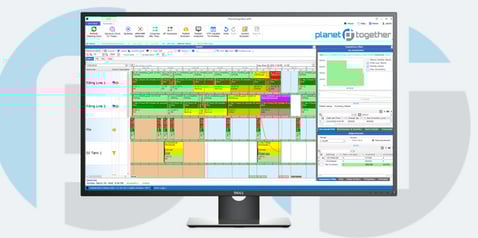
Manufacturers are investing in APS and automation because schedules change fast, supply chains stay unstable, and customers expect shorter lead times. These tools matter most when they improve daily planning. APS helps teams build realistic schedules around machines, labor, materials, bottlenecks, and capacity limits instead of relying on spreadsheets or static ERP plans.
How Technology Changes Roles on the Plant Floor
New technology changes work for schedulers, supervisors, operators, and technicians. Some manual tasks shrink. But schedule changes, exception handling, labor coordination, and team communication become more important. Operations Directors usually get better results when technology supports those roles instead of replacing plant-floor judgment.

3 Ways Operations Directors Can Balance Technology and Workforce Needs
Operations Directors usually get better results when technology rollout and workforce training move together. The goal is not just to install a system. It is to help planners, supervisors, and operators use better data to build better schedules, respond faster to change, and reduce daily friction.
Connect APS, ERP, and Shop-Floor Reality
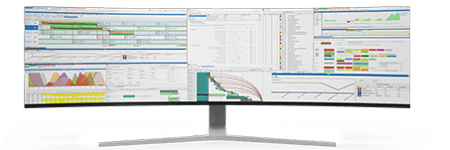
When APS connects to ERP and shop-floor conditions, planners and supervisors can work from the same schedule logic. That improves visibility, reduces planning conflicts, and helps teams respond faster when labor, materials, bottlenecks, or machine availability change. It also improves schedule adherence because the plan reflects real constraints.
Build Training Into Every Rollout
Training should start before go-live, not after it. If planners, schedulers, and supervisors will use new tools, they need clear onboarding, role-based training, and enough practice to use the system in daily scheduling work.
Operations Directors should support:
-
Cross-functional training that aligns IT, operations, and planning teams
-
Platform onboarding that shows how APS fits current ERP and planning processes
Ongoing learning support as scheduling rules, roles, and plant conditions change
An informed workforce is more likely to trust the system, adopt it faster, and contribute to continuous improvement.
Treat Change Management as Part of Implementation
Change management matters because even a strong planning system can fail when users do not trust it. Involve frontline teams in pilot testing, gather feedback early, and assign each area a trained user who can answer day-to-day questions during rollout.
Operations Directors should focus on:
-
Involving frontline employees in testing and pilot phases
-
Gathering regular feedback through team check-ins, reviews, or surveys
-
Assigning digital champions who can support adoption on the plant floor
This approach builds trust, reduces resistance, and helps the rollout hold up under real operating conditions.

What to Review After Go-Live
Balancing technology and workforce needs is not a one-time project. It works best when teams review the same questions after go-live. Is the schedule better? Are people using the system? Are planners and supervisors making faster, clearer decisions with less friction?
- Operations Directors should keep reviewing four areas:
- Start with the operational problem, not the tool
- Keep APS and ERP connected to real plant conditions
- Involve the workforce early and often
- Measure both plant performance and user adoption
Decision Framework: Is Your Technology Rollout Working?
Use this 4-step check before and after a manufacturing technology rollout.
1. Start with the operational problem.
Pinpoint the bottleneck, schedule issue, labor constraint, or planning delay first.
2. Ask who will use the system every day.
If planners, supervisors, or operators are not part of testing and rollout, adoption risk goes up.
3. Check whether the system improves decisions, not just data.
A good rollout should help teams schedule faster, respond sooner, and see tradeoffs more clearly.
4. Measure both plant performance and workforce adoption.
If output improves but schedule adherence, trust, or daily usability gets worse, the rollout is incomplete.
What Good Technology Adoption Looks Like in Manufacturing
Manufacturers get the most value from technology when systems and people improve together. APS, ERP integration, training, and better rollout discipline help teams build more realistic schedules, respond faster to change, and keep workforce adoption on track. The goal is not more software. It is better scheduling decisions, stronger schedule adherence, and less friction on the plant floor.
Prepare Your Team for a Smarter APS Rollout
Adopting APS is not just a technology decision. As this article shows, manufacturers get better results when planners, supervisors, and operators are involved early, trained well, and supported through the rollout process. The APS Readiness Score eBook is a practical next step for Operations Directors and manufacturing leaders who want to improve scheduling without creating more friction on the plant floor.
In this guide, you will learn how to assess your organization’s readiness for APS, align teams around shared success metrics, and build the data, process, and change-management foundation needed for stronger adoption and better scheduling outcomes.
- Identify the organizational and cultural gaps that can slow APS adoption
- Document the data, workflows, and scheduling inputs needed for a smoother rollout
- Align executives, planners, and supervisors around measurable success criteria
- Build a change-management plan that improves trust, training, and daily system use
- Create a practical roadmap for continuous improvement after go-live

FAQs About Technology and Workforce Balance in Manufacturing
How can manufacturers introduce new technology without hurting workforce morale?
Manufacturers usually get better adoption when they explain the operational problem first, involve frontline teams early, and show how the new system will support daily work rather than remove human judgment.
What role does APS play in balancing technology and workforce needs?
APS helps teams build realistic schedules around capacity, labor, materials, and bottlenecks. That gives planners and supervisors better visibility and helps technology support decision-making instead of creating more confusion.
Why should workforce training be part of an APS rollout?
Training reduces resistance, improves adoption, and helps schedulers, planners, and supervisors understand how to use new tools in real plant conditions.
What should Operations Directors measure after a new system goes live?
Track schedule adherence, replanning speed, throughput, delivery performance, and user adoption. If technology improves output but creates friction for planners or supervisors, the rollout still needs work.
When do manufacturers usually need APS instead of spreadsheets or ERP-only planning?
APS becomes more useful when schedules change often, bottlenecks are hard to manage, materials and labor affect output each day, or planners spend too much time adjusting schedules by hand.
See How PlanetTogether Supports Workforce-Friendly APS Rollouts
See how PlanetTogether helps manufacturers improve planning without creating more friction for planners and supervisors. Request a demo to explore how APS can support scheduling, integration, training, and rollout decisions in your facility.