Key Takeaways
- What-if scenarios let planners safely test schedule changes in a virtual APS model before committing to the shop floor.
- Manufacturers use what-if scenarios to explore the impact of rush orders, machine downtime, and supplier changes on capacity, inventory, and KPIs.
- PlanetTogether’s visual dashboard makes it easy to create, compare, and refine multiple scenarios without disrupting live production.
- The “Producing for Profit” eBook shows how moving from spreadsheets to integrated APS turns firefighting into confident, data-driven decisions.
Connecting the Planner Scheduler with Manufacturing is crucial for robust communication between departments. Our advanced planning and scheduling approach builds a virtual model of an organization, incorporating how each department interacts with the others, and most importantly how each department's activities affects others. 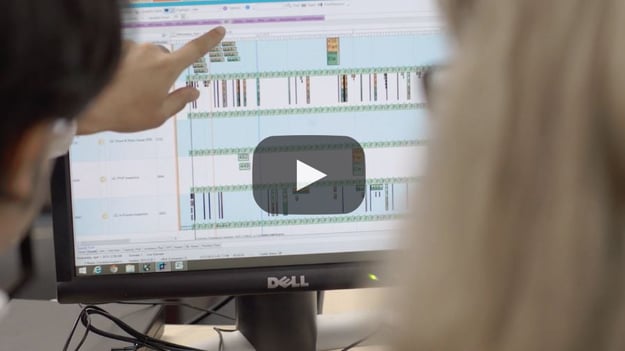 With a highly visual dashboard display, each piece of the complex puzzle that contributes to production efficiency, profitability, and customer satisfaction is at the Planner's fingertips.
One of the most powerful uses of our software is the ability to create alternate scenarios that clearly display the potential ripple effect on customer orders and other departments. These 'what-if' scenarios can be adjusted, without publishing them to the entire organization, until they are clear improvements to manufacturing processes.
Two examples:
- Response to a customer change order can be experimented with in the virtual model and our software will identify where conflicts might develop, bottlenecks might occur, or parts inventories might be insufficient. Knowing these possible production constraints beforehand will allow the company to address them and to continue to deliver product on time.
- Planning downtime on a machine, or in a full department, becomes just a matter of using the drag-and-drop feature of the schedule display to get an immediate full picture of the effect on other aspects of an organization.
There are also times when departments or plants will collaborate on setting up a new machine, project or product. Our visual displays can answer questions from the team on which method to handle the concern would be best. Agreed upon KPIs can be loaded into the data model and taken into account when planning and scheduling new work. Different suppliers can be tried out, virtually, to come up with a strong plan and a sound schedule.
Empowering the manufacturing process becomes simple, even enjoyable, when using the tools that PlanetTogether software brings to the party.
Using What-If Scheduling Scenarios to Make Better Production Decisions
See how manufacturers use what-if scheduling scenarios to make smarter production decisions. This video shows how PlanetTogether APS lets planners create and compare multiple what-if scenarios, instantly see the impact on capacity, lead times, and customer orders, and choose the best schedule before releasing it to the shop floor. Learn how scenario planning helps improve on-time delivery, reduce bottlenecks, and align sales, planning, and operations around a single, data-driven production plan.
From “What If” to Profitable Reality
In this article, you’ve seen how planners can use PlanetTogether’s visual dashboard to build multiple what-if scenarios, test changeovers and downtime, and see the ripple effect on customer orders, inventory, and KPIs before committing to a plan.
Our eBook, “Producing for Profit,” shows what that looks like inside a real manufacturing business. Through a story of two operations leaders, it illustrates how moving from disconnected spreadsheets to an integrated planning and scheduling system transforms firefighting into confident, data-driven decisions.
In this short eBook, you’ll learn how to:
- Use a single planning system to see the impact of schedule changes across machines, labor, and orders
- Apply a thoughtful priority and what-if process instead of “blind promising and expediting” that drives up costs and stress
- Give sales and customer service realistic options when rush orders arrive—backed by clear visibility into which other orders would be affected
- Align sales, planning, and manufacturing so everyone is working from the same, scenario-tested schedule
If you’re excited about using what-if scenarios to improve decisions (not just pictures on a screen), this eBook is your next step.

