Quick Answer: What Is Production Planning and Scheduling?
Production planning and scheduling helps a plant decide what to make, when to make it, and where each job should run. It connects demand, labor, machines, materials, and time into one usable plan. The goal is to keep work moving with fewer delays, bottlenecks, excess inventory, and missed due dates.
Production planning and scheduling is about flow. It helps teams match work to the people, machines, materials, and time they have. As a result, planners can reduce wait time, protect bottleneck resources, and keep orders moving.
However, a high-level plan is not enough. A useful plan must show which jobs run first, which work centers are tight, and what must change when demand shifts. Therefore, the best process connects shop-floor facts to business goals.
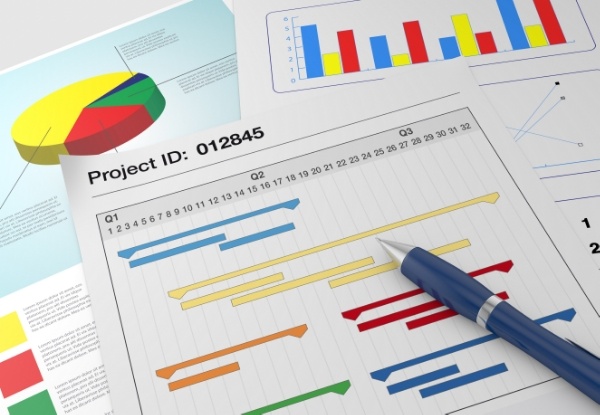
Production Planning and Scheduling Concepts
Production planning and scheduling includes several core concepts. Each one helps planners turn demand into a plan the plant can run.
Production Scheduling
Production scheduling sets the timing and order of work on the shop floor. It assigns jobs to machines, labor, and work centers. As a result, the team knows what should run next and which orders may be at risk.
Static Planning
Static planning works when demand is steady and the process rarely changes. In this model, teams set production steps in advance. For example, a clothing manufacturer may plan seasonal output months before production begins.
Dynamic Planning
Dynamic planning works when demand changes often. Instead of locking the plan early, teams adjust it as new orders, late parts, or machine issues appear. For example, a job shop may schedule work after each order comes in.
Capacity Planning and Scheduling
Capacity planning helps teams compare demand with labor, machines, and time. It also shows where bottlenecks may limit output. Therefore, planners can shift work, protect key resources, and avoid plans the plant cannot meet.
Aggregate Planning
Aggregate planning links demand forecasts to labor, output, and inventory levels. It helps leaders balance supply and demand before detailed scheduling starts. In turn, planners can set better output goals and reduce last-minute changes.
How APS Supports Production Planning and Scheduling
Advanced Planning and Scheduling software supports these concepts by making the schedule more realistic. APS helps planners account for materials, labor, machine time, setup time, and changing priorities. It also helps close the gap between ERP or MRP plans and the daily schedule the plant needs.
The features of Advanced Planning and Scheduling (APS) Software allow for simple and easy integration into MRP and ERP software and help fill planning gaps when ERP or MRP tools lack scheduling detail.
Advanced Planning and Scheduling Software
Advanced Planning and Scheduling (APS) software helps manufacturers build schedules that reflect real plant limits. APS is useful when demand changes, product mix grows, or ERP and MRP tools cannot keep schedules accurate.
APS can be quickly integrated with a ERP/MRP software to improve planning flexibility and schedule accuracy. It can also help planners update priorities when parts arrive late, machines go down, or rush orders appear.
With APS, manufacturers can:
- Create optimized schedules balancing production efficiency and delivery performance.
- Maximize output on bottleneck resources to increase revenue.
- Synchronize supply with demand to reduce inventory.
- Provide company-wide visibility to capacity.
- Enable scenario data-driven decision making.
Implementation of Advanced Planning and Scheduling (APS) software should start with clean data and clear goals. It should also define how planners will use the schedule each day. When those basics are in place, APS can turn planning concepts into daily schedule control.
Introduction to APS – What Is Advanced Planning and Scheduling?
This video gives a practical introduction to Advanced Planning and Scheduling. It shows how APS improves production planning and scheduling in real manufacturing environments.
APS checks material availability, capacity constraints, labor skills, and sequence rules together. Then planners can make decisions from a more complete view of the plant. Instead of using static spreadsheets or basic MRP logic, they can work from a live plan.
Use this video if your team wants to move beyond basic planning concepts and see how APS supports daily scheduling work.
Decision Framework: Which Planning Approach Fits Your Plant?
Use basic production planning when: demand is steady, routes are simple, and schedule changes are rare.
Use capacity planning when: demand may exceed labor, machine time, or material supply.
Use APS when: planners need to manage finite capacity, changing priorities, bottlenecks, setup time, and ERP data in one schedule.
Turn Planning and Scheduling Concepts into Shop-Floor Results
Understanding the concepts is only the first step. However, the value comes when those ideas shape the daily schedule.
Download The Money Is in the Planning infographic to see how better planning and scheduling can help your team improve flow, protect bottlenecks, reduce stock, and respond faster to change.
- Create optimized schedules that balance production efficiency and delivery performance.
- Maximize output on bottleneck resources instead of spreading work evenly.
- Synchronize supply with demand so you lower inventory without raising stockout risk.
- Give planners the visibility they need when demand, capacity, or materials change.
- Turn the concepts in this blog into an APS-powered routine that improves flow and delivery.
Use this infographic with your planning and operations teams as a quick guide to where planning and scheduling decisions have the biggest impact.

FAQ: Production Planning and Scheduling Concepts
What is production planning and scheduling?
Production planning and scheduling is the process of deciding what to make, when to make it, and which resources should do the work.
Why is production scheduling important in manufacturing?
Production scheduling is important because it helps teams use labor, machines, and materials in the right order. It also helps protect due dates and reduce bottlenecks.
What is the difference between static and dynamic planning?
Static planning assumes demand and process steps are stable. Dynamic planning changes the schedule as new orders, constraints, or disruptions appear.
How does capacity planning support production scheduling?
Capacity planning shows whether the plant has enough labor, equipment, and time to meet demand. Therefore, planners can avoid overload before work reaches the floor.
How does APS improve production planning and scheduling?
APS improves planning by connecting demand, materials, labor, capacity, changeovers, and priorities in one schedule. As a result, planners can respond faster to change.
See PlanetTogether APS in Action
Ready to turn planning concepts into schedules your plant can run? Request a PlanetTogether APS demo to see how finite-capacity scheduling supports better flow, fewer bottlenecks, and more reliable due dates.