Quick Answer: What Is Strategic Quality Control?
Strategic quality control in manufacturing connects quality goals, standards, vendor performance, process design, shop-floor checks, and production scheduling. It helps teams reduce defects, avoid rework, protect delivery dates, and use quality data before problems disrupt the schedule. APS can support this work by helping planners account for inspections, rework, constraints, and qualified labor.
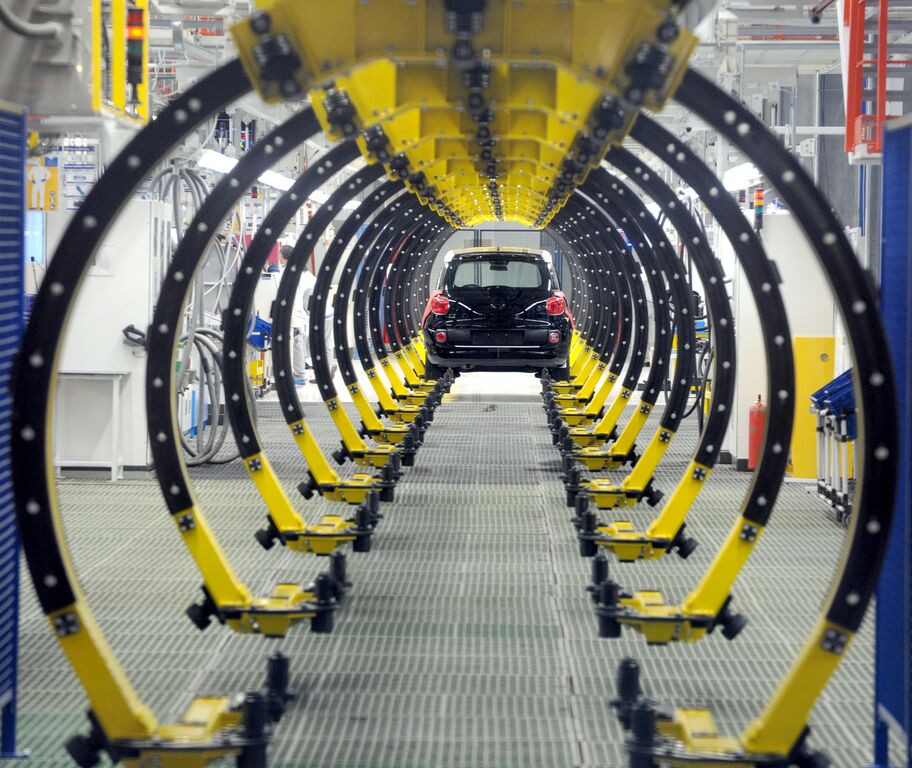
Strategic management for quality control means planning, monitoring, analyzing, and improving the systems that affect product quality. In manufacturing, those systems include process design, vendor quality, production standards, inspection checks, labor skills, and scheduling decisions.
As a result, quality control should not sit apart from production planning. It should help teams reduce defects, avoid rework, protect customer commitments, and keep production moving.
When manufacturers connect quality goals to daily scheduling decisions, they can react faster to problems. They can also make better tradeoffs before delays reach the customer.
Total Quality Control and Strategic Management
Total quality control is a company-wide approach to reducing defects and improving processes. It focuses on the full system, not only the inspection step at the end of production.
This matters because quality depends on many teams. Production, purchasing, design, finance, marketing, and vendors can all affect whether a product meets its standard.
Therefore, strategic quality control should define goals, measure performance, and show where the process needs improvement. It should also give planners enough information to protect schedules when quality risks appear.
How Quality Control Protects Production Efficiency
Quality control protects efficiency when teams catch problems early and use quality data in planning decisions. Defects, scrap, rework, and inspection delays all consume capacity.
In practical terms, quality control should help planners answer three questions:
- Which process steps create the most defects or rework?
- Which vendors or materials create the most schedule risk?
- Which quality checks need time, labor, or capacity in the schedule?
As a result, quality control becomes part of schedule reliability, not only product inspection.
Production Design Must Be Simple
Simple production design makes quality easier to control. Teams can mistake-proof a process more easily when the routing, work instructions, materials, and resource needs are clear.
Before production starts, planners should understand labor skills, equipment limits, expected run rates, market demand, and possible bottlenecks. Then they can create a process that is easier to repeat.
Also, continuous improvement in process and product design can reduce rework cost and improve output. Better resource performance data can show where the process needs attention.
Quality Control Begins with Quality Vendors
Quality starts before materials reach the plant. Reliable vendors help stabilize production because they provide materials that arrive on time and meet requirements.
When suppliers miss standards, the plant may face rework, scrap, schedule breaks, or emergency substitutions. Therefore, vendor quality should be part of the production planning process.
Manufacturers should choose vendors with clear quality processes, the right capabilities, and consistent performance. Spot checks on inbound materials can also help teams catch problems before production begins.
Standards and Guidelines Need Continuous Attention
Quality standards turn expectations into measurable work. Product criteria, specifications, and inspection rules help teams understand what a good result should look like.
However, standards only help if teams use them during production. Real-time quality metrics can show whether a line, cell, or team is meeting the goal.
When teams see problems early, they can adjust before defects become waste, rework, missed deadlines, or customer complaints.
Spot Checks During Manufacturing Aid Quality Control
Spot checks help teams catch quality problems before a long production run creates large amounts of scrap. This matters even more in JIT environments, where teams may not have time to rework large batches.
Quality checks during the production cycle improve the chance of finding defects early. They also help planners understand when rework, inspection time, or material issues may affect the schedule.
Our quality has improved as a result of implementing PlanetTogether's Advanced Planning and Scheduling. The software assigns the best person to the job.
DICK MARX, MATERIALS MANAGER, KNAPHEIDE TRUCK EQUIPMENT
Strategic quality control helps manufacturers protect their reputation and customer trust. It also helps teams make production decisions without sacrificing product quality.
How APS Supports Quality Control and Scheduling
PlanetTogether APS scheduling software helps manufacturers connect quality-related constraints to the production schedule. Planners can account for inspections, rework, bottlenecks, qualified labor, material availability, and delivery priorities before work reaches the floor.
With PlanetTogether APS, teams can:
- Create schedules that balance production efficiency and delivery performance.
- Protect bottleneck resources from avoidable rework and overload.
- Synchronize supply with demand to reduce inventory risk.
- Improve visibility into resource capacity.
- Compare scenarios before changing the live schedule.
APS does not replace quality control. Instead, it helps planners use quality signals in production decisions. That makes the schedule more realistic when inspection time, rework, or labor qualifications affect capacity.
Decision Framework: Where Should Quality Control Start?
Start with production design when: defects come from unclear routing, hard-to-repeat work, weak manufacturability, or poorly defined process steps.
Start with vendor quality when: late, inconsistent, or nonconforming materials create rework, scrap, or schedule delays.
Start with shop-floor standards when: teams lack clear inspection points, real-time quality metrics, or consistent work instructions.
Start with APS when: quality checks, rework, labor qualifications, material constraints, and bottlenecks affect the production schedule.
Video: APS Features for Quality Control and Production Scheduling
Quality control affects more than product standards. It also shapes capacity, labor needs, rework time, inspection steps, and delivery performance. In this video, see how PlanetTogether APS helps planners connect quality-related constraints to production scheduling decisions.
Use this video as the next step after reviewing strategic quality control. It shows how APS software can support real-time visibility, bottleneck management, resource planning, and scenario-based decisions when quality issues affect the production schedule.
Turn Quality Control into APS-Ready Scheduling Data
Quality control improves when teams can see how defects, rework, inspections, and vendor issues affect the schedule. However, those signals need clean data, clear ownership, and shared metrics before planners can use them well. Therefore, the next step is to assess how ready your operation is for APS-driven scheduling.
The APS Readiness Score Ebook helps manufacturers connect quality goals to the planning data, workflows, and metrics that support better decisions.
In this guide, you will learn how to:
- First, identify the data gaps that weaken scheduling accuracy
- Next, document constraints, inspection steps, bottlenecks, and resource rules
- Then, align quality goals with delivery, utilization, and schedule stability metrics
- Also, prepare planners, operations leaders, and executives for APS adoption
- Finally, build a readiness plan that supports continuous improvement

FAQ: Strategic Quality Control in Manufacturing
What is strategic management for quality control?
Strategic management for quality control sets quality goals, measures results, and improves the systems that affect product quality.
How does quality control affect production scheduling?
Quality control affects scheduling because defects, rework, scrap, and inspection delays consume labor, machine time, and capacity.
What is total quality control?
Total quality control is a company-wide approach to reducing defects and improving processes across production, purchasing, design, finance, and other teams.
Why should manufacturers track quality data in real time?
Real-time quality data helps teams catch problems before they create waste, missed deadlines, rework, or customer dissatisfaction.
How can APS support quality control?
APS can help planners account for inspection steps, rework, bottlenecks, qualified labor, material availability, and schedule constraints before work reaches the floor.
See PlanetTogether APS in Action
Want to connect quality checks, rework, labor skills, and production schedules in one planning process? Request a PlanetTogether APS demo to see how APS helps manufacturers build more realistic schedules around real shop-floor constraints.