Quick Answer: What Are Supply Chain Optimization Methods?
Supply chain optimization methods help manufacturers reduce cost, improve delivery performance, and keep production moving. The most practical methods include better inventory control, supplier inventory management, demand planning, and system integration.
In manufacturing, APS can support these methods by connecting ERP/MRP data with capacity, materials, constraints, and production schedules.
Every supply chain has room to improve. For manufacturers, the biggest gains often come from better bottleneck elimination, cost control, demand planning, and system integration.
Teams often look for ways to optimize their supply chain. However, the goal is not just lower cost. The goal is a plan that protects delivery performance, inventory levels, materials, labor, and capacity at the same time.
Four Supply Chain Optimization Methods That Reduce Cost
The four methods below focus on practical improvements. Each one helps manufacturers reduce waste, avoid delays, and make better planning decisions.
Inventory Control
Inventory control reduces cost by helping teams keep the right materials in the right place at the right time. Too much inventory ties up cash. Too little inventory can delay orders and create expediting costs.
Inventory accuracy gives planners a more reliable view of what is available. As a result, they can make better purchasing, production, and delivery decisions.
For manufacturers, inventory control should connect directly to the production schedule. Otherwise, teams may carry excess stock while still missing the materials needed for high-priority jobs.
Supplier Inventory Management
Supplier inventory management improves supply chain flow by giving suppliers and manufacturers a shared view of demand, material needs, and timing.
When communication is clear, suppliers can respond earlier to changes in demand. In turn, manufacturers can reduce stockouts, rush orders, and production delays.
This method works best when supplier data connects to planning data. Therefore, planners can see which materials may constrain production before those shortages affect the schedule.
Demand Planning
Demand planning helps manufacturers align supply, labor, inventory, and capacity with expected customer demand.
Good demand planning starts with accurate forecasts and current orders. However, it also needs a way to respond when demand changes. A static forecast is not enough when product mix, order timing, or material availability shifts.
As a result, demand planning should feed production scheduling, purchasing, and capacity decisions. This reduces last-minute changes and helps protect delivery performance.
System Integration
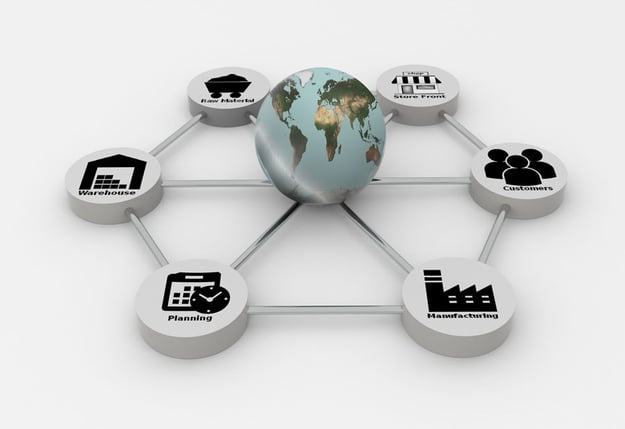
System integration helps manufacturers turn disconnected data into better planning decisions. ERP, MRP, APS, and other systems all support different parts of the planning process.
Modern manufacturers often struggle without integrating an accurate and efficient system. When systems do not connect, planners may rely on spreadsheets, manual updates, or outdated information.
However, integrated systems can connect demand planning, capacity planning, inventory management, and production control. This gives teams a clearer view of what the plant can actually produce.
How APS Supports Supply Chain Optimization
Advanced planning and scheduling software (APS) extends ERP and MRP by adding detailed planning logic. APS helps teams plan around real capacity, materials, constraints, changeovers, and customer priorities.
For manufacturers, APS can reduce cost by improving the production plan. It helps planners see how demand, inventory, supplier timing, and capacity affect the supply chain.
Some of the benefits of advanced planning and scheduling can include:
- Improved delivery performance.
- Better use of labor and equipment.
- Lower inventory and expediting cost.
- Faster scenario planning when demand changes.
APS should not be framed as a shortcut to profit. Instead, it helps planners turn better data into better schedules. That is where supply chain optimization becomes practical.
Video: Introduction to APS for Supply Chain Optimization
This video explains how Advanced Planning and Scheduling supports supply chain optimization. It shows how APS extends ERP/MRP by adding capacity planning, what-if scenarios, and detailed production scheduling.
As a result, planners can connect inventory control, supplier needs, demand planning, and production capacity in one planning process.
The video is useful for supply chain managers, planners, and operations leaders who want to reduce cost without weakening delivery performance.
Decision Framework: Which Optimization Method Should You Start With?
Start with inventory control when: excess stock, stockouts, poor inventory accuracy, or expediting costs are creating waste.
Start with supplier inventory management when: late materials, weak supplier visibility, or rush orders are disrupting production.
Start with demand planning when: forecasts, customer orders, and production plans do not match.
Start with system integration or APS when: ERP/MRP data exists, but planners still rely on spreadsheets, manual updates, or disconnected schedules.
Turn Supply Chain Optimization Ideas into a Better Plan
Inventory control, supplier collaboration, demand planning, and system integration can all reduce cost. However, the real gains appear when those methods shape the production schedule.
Download our one-page “The Money Is in the Planning” infographic to see how better planning and scheduling can help manufacturers improve flow, reduce inventory, and protect delivery performance.
- Translate inventory control and demand planning into production and purchasing decisions.
- Use supplier inventory information to reduce stockouts and rush orders.
- Integrate ERP, MRP, and APS so teams plan from shared data.
- Improve delivery performance while reducing inventory and labor cost.
Share the infographic with supply chain, planning, and operations teams. As a result, they can see where better scheduling will have the biggest impact on cost and service.
FAQ: Supply Chain Optimization Methods
What is supply chain optimization?
Supply chain optimization is the process of improving how materials, inventory, suppliers, demand, and production plans work together to reduce cost and improve delivery.
What are common supply chain optimization methods?
Common methods include inventory control, supplier inventory management, demand planning, system integration, and production scheduling improvement.
How does inventory control reduce supply chain cost?
Inventory control reduces excess stock, stockouts, expediting, and late deliveries. It also helps planners make better purchasing and production decisions.
Why does demand planning matter in supply chain optimization?
Demand planning helps manufacturers align supply, materials, labor, and capacity with expected customer demand.
How does APS support supply chain optimization?
APS helps manufacturers connect ERP/MRP data with capacity, inventory, materials, constraints, and schedules so planners can reduce cost and improve delivery performance.
See PlanetTogether APS in Action
Want to connect inventory, demand, capacity, and production schedules in one planning process? Request a PlanetTogether APS demo to see how APS helps manufacturers reduce cost and improve delivery performance.
