Demand planning
Machine Learning for Predicting Supply Chain Disruptions
See how machine learning helps manufacturers predict supplier delays, raw material shortages, demand shifts, and schedule risk.
Learn how AI supplier portals, APS, and ERP data help purchasing teams improve material visibility, supplier response, and schedule decisions.
AI-powered supplier portals help manufacturers share demand, inventory, purchase order, and supplier status data in one place. When connected to APS and ERP systems, these portals help purchasing teams spot material risks earlier. They also improve supplier communication and protect schedules before late parts disrupt the plant.
Purchasing Managers in industrial manufacturing need reliable supplier data. They must track material supply, supplier lead times, purchase orders, and risk across the supply chain.
However, many teams still manage supplier updates through email, spreadsheets, and disconnected ERP reports. That makes it hard to see which material issue could affect the next production schedule.
Today, AI-powered portals can help. When they connect with advanced planning systems like PlanetTogether, purchasing teams can act sooner. ERP systems such as SAP, Oracle, Microsoft, Kinaxis, and Aveva can also support better supplier data flow.

Supplier collaboration affects more than price and delivery dates. It also affects material readiness, inventory levels, production schedules, and customer commitments.
When suppliers share accurate lead times, capacity updates, and order status, planners can make better decisions. They can also protect the plant from late parts, avoidable expediting, and excess inventory.
In volatile supply chains, this visibility improves the capacity to respond to changes swiftly. It gives purchasing, planning, and operations teams more time to adjust before disruptions reach production.

AI-powered supplier portals give manufacturers and suppliers a shared place to manage data. They can show purchase orders, shipment status, lead time changes, supplier capacity, and performance trends.
As a result, purchasing teams do not need to chase every update by email. The portal can flag missing information, highlight late-order risk, and help teams focus on the suppliers that need attention first.
AI can also support routine decisions. For example, it may detect patterns in supplier delays, suggest follow-up actions, or show which material issue could affect the schedule.
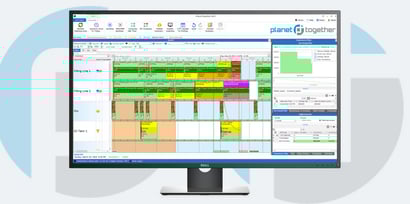
Supplier portals become more useful when they connect to planning and enterprise data. PlanetTogether’s advanced planning and scheduling (APS) capabilities help teams understand how supplier changes affect production schedules.
At the same time, data management and processing power of ERPs supports orders, inventory, purchasing, and supplier records. Together, APS and ERP data help purchasing teams see which supply issues need attention first.
For example, a delayed component may not matter if the job runs next month. However, the same delay may be critical if the job is scheduled tomorrow on a bottleneck resource.
Connected supplier portals give purchasing teams a clearer view of material status. Real-time planning data can include inventory, supplier performance, purchase orders, and production schedules.
This helps planners see whether materials are ready before work is released. It also supports better inventory timing by ensuring that materials are available when needed and inventory costs are minimized.
AI can reduce manual work in procurement. It can help review supplier updates, route approvals, flag missing data, and support purchase order changes.
For example, integrating an AI portal with SAP and PlanetTogether can help purchasing teams compare demand, material status, and production timing before creating or changing purchase orders.
As a result, teams can reduce rework and respond faster when suppliers change lead times or shipment dates.
AI-powered portals can review supplier data and flag possible disruptions. They may identify late shipments, repeat quality issues, or suppliers with unstable lead times.
When this data connects to APS and ERP systems, planners can test options sooner. They may shift supply, adjust order timing, or change production priorities before the issue creates a late order.
Supplier portals can also improve trust. Suppliers can update lead times, order status, capacity, and contact information in one shared system.
That shared view reduces confusion. It also helps both parties work together to optimize the supply chain with fewer manual updates and fewer surprises.
Supplier collaboration will keep changing as AI, machine learning, and automation improve. However, the goal should stay practical: help teams make better planning decisions with better supplier data.
Integration with ERP and manufacturing systems can give manufacturers a stronger data foundation. APS can then use that data to help planners protect capacity, materials, and delivery dates.
For purchasing teams, the value is clear. Better supplier data helps the plant understand material risk before the production schedule breaks.
Use an AI supplier portal when supplier updates are slow, material shortages surprise planners, or purchase order changes affect production schedules. Start with the parts and suppliers that create the most schedule risk. Then, connect supplier updates to APS and ERP data. This helps planners see how each change affects capacity, inventory, and delivery dates.
AI-powered supplier portals can improve supplier visibility, material updates, and purchasing response. However, the larger payoff comes when supplier data connects to planning, scheduling, and execution across the operation.
Our white paper, Superplant in 5 Stages, shows how manufacturers can move from siloed plants and disconnected tools to a more connected planning environment. It explains how APS and ERP can help teams coordinate capacity, materials, demand, and supplier updates.
In this guide, you will learn how to:
If supplier collaboration is part of your digital transformation strategy, this guide shows how it fits into a larger planning roadmap.
Download Our Free White Paper Now
An AI-powered supplier portal is a shared digital workspace where manufacturers and suppliers exchange demand, order, inventory, lead time, and performance data. AI can help flag risks, automate routine updates, and support faster purchasing decisions.
Supplier portals help manufacturers improve visibility into material availability, supplier capacity, order status, and lead time changes. This helps purchasing teams respond before supply issues disrupt production schedules.
Supplier portals need APS and ERP data because purchasing decisions affect the production schedule. ERP provides order and inventory data, while APS shows how material changes may affect capacity, bottlenecks, and delivery dates.
AI can review supplier data, detect late-order risk, suggest follow-up actions, and highlight material shortages. This helps purchasing managers focus on the suppliers, parts, and orders that could affect production first.
A manufacturer should consider an AI supplier portal when supplier delays, material shortages, or manual updates often affect production. It is also useful when poor supplier visibility creates inventory risk or late deliveries.
Ready to connect supplier visibility with feasible production schedules? Contact us today to see how PlanetTogether APS helps planners align materials, supplier updates, capacity, and delivery commitments.
See how machine learning helps manufacturers predict supplier delays, raw material shortages, demand shifts, and schedule risk.
Learn how operations leaders can shift to local production with better capacity planning, supplier visibility, APS, and scheduling control.
Learn how cyber risk, conflict, sanctions, natural disasters, and supplier dependencies affect manufacturing schedules and how APS helps.