Sustainable Production Scheduling for Green Manufacturing
Learn how sustainable production scheduling helps manufacturers reduce waste, energy use, idle time, emissions, and schedule disruption.
By PlanetTogether
Published: Feb 3, 2025
| Last Verified: Jun 4, 2026
Quick Answer: Sustainable Production Scheduling
Sustainable production scheduling helps manufacturers reduce waste, energy use, emissions, and idle time by planning work around real constraints. A better schedule can group similar jobs, reduce changeovers, align materials with demand, and use capacity more efficiently. When APS connects with ERP and shop-floor data, schedulers can make greener decisions without losing delivery control.
Green manufacturing depends on daily planning decisions. The schedule affects when machines run, how often lines change over, how materials move, and how much inventory the plant creates.
However, many plants still manage sustainability goals outside the scheduling process. That gap makes it hard to turn energy, waste, and emissions targets into daily production decisions.
With better scheduling, plant teams can reduce waste while protecting service levels, capacity, and throughput.
What Is Green Manufacturing in Production Scheduling?
Green manufacturing means producing goods with less waste, lower energy use, fewer emissions, and better resource control. For schedulers, that goal becomes practical when it connects to jobs, machines, labor, materials, and delivery dates.
Supporting compliance with more reliable production data
Therefore, sustainability should not sit apart from scheduling. It should become one more constraint that planners consider when they build a feasible schedule.
Why Sustainability Depends on Better Scheduling
Production scheduling affects sustainability because it controls the timing and sequence of work. A poor schedule can increase changeovers, idle time, scrap, expediting, and energy peaks.
A better schedule helps planners group similar jobs, match work to available materials, and avoid unnecessary machine starts and stops. It can also help teams use labor and equipment more consistently.
As a result, sustainable scheduling supports both plant performance and environmental goals. The same decisions that reduce waste often improve capacity, flow, and schedule adherence.
How Scheduling Reduces Energy Use, Waste, and Emissions
Sustainable scheduling works best when planners can see the trade-offs behind each production decision. A schedule may look efficient by due date, but still create excess changeovers, idle machines, or material waste.
Therefore, schedulers need to review sustainability goals alongside capacity, labor, materials, and delivery commitments. This makes green manufacturing part of daily execution, not a separate reporting task.
Energy-Efficient Scheduling
Energy-efficient scheduling means planning high-load work more carefully. For example, schedulers may group energy-intensive jobs, reduce unnecessary starts and stops, or shift work when capacity and delivery dates allow.
Schedule high-energy tasks during better operating windows
Use efficient machines when routing options exist
Review energy-sensitive jobs before releasing the schedule
Minimizing Material Waste
Material waste often starts with poor timing. If materials arrive too early, inventory grows. If they arrive late, production may stop or switch to a less efficient sequence.
Align production with demand and material availability
Review batch sizes before producing excess inventory
Reduce scrap by improving changeover and sequencing decisions
Reducing Carbon Footprint in Logistics
Production schedules can affect logistics by changing when materials move and when finished goods ship. Better timing can reduce rush shipments, partial loads, and avoidable expediting.
Coordinate production timing with supplier and customer commitments
Reduce last-minute schedule changes that trigger expediting
Support better shipment planning when demand changes
Real-Time Monitoring and Compliance
Schedulers need reliable data when sustainability targets depend on production timing, energy use, waste, or emissions. Connected planning systems can help teams review those factors before the schedule changes.
Review production plans before sustainability targets are at risk
Give operations, planning, and reporting teams a shared view of constraints
How PlanetTogether Connects Sustainability Goals to APS
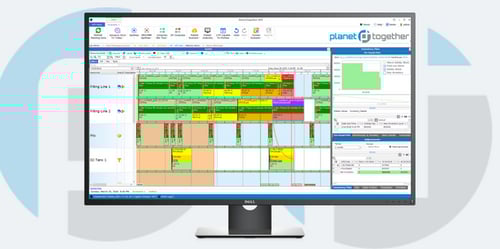
PlanetTogether APS helps planners build schedules around real plant constraints. Those constraints may include machine capacity, labor, materials, changeovers, due dates, and energy-sensitive operations.
When PlanetTogether connects with APS software integrations such as SAP, Oracle, Microsoft, Kinaxis, and Aveva, planners can use current data to make better decisions. That data may include orders, inventory, routings, production status, and material availability.
Therefore, sustainability becomes easier to plan. Schedulers can test options before releasing work to the floor.
Key Sustainable Scheduling Use Cases
Energy-Efficient Production Runs
Schedulers can review which jobs use the most energy and when those jobs should run. If capacity allows, they can sequence high-load work in a way that reduces strain on machines, labor, or operating windows.
Lower Material Waste
Schedulers can reduce waste by matching batch sizes to demand and material availability. They can also group similar jobs to reduce changeovers and leftover raw materials.
Better Capacity and Resource Use
Finite capacity planning helps teams avoid overloading machines, crews, or work centers. As a result, planners can reduce idle time, rush changes, and schedule instability.
More Reliable Sustainability Reporting
Connected planning data gives teams a clearer view of how production decisions affect resource use. This helps operations, planning, and compliance teams work from the same schedule assumptions.
Decision Framework: Where Should Schedulers Start?
Start with the sustainability issue that disrupts the schedule most often. If energy use spikes, review when high-load jobs run. If scrap is rising, review batch size, materials, and changeovers. If emissions come from logistics, review shipment timing and supplier coordination. Then, use APS to test a feasible schedule before releasing work.
Financial and Operational Benefits of Sustainable Scheduling
Sustainable scheduling can support cost control because waste, downtime, and excess inventory often start in the production plan. When schedulers improve flow, they may also reduce operating friction.
Common benefits include:
Lower operating costs from better energy, labor, and material use
Less waste from better sequencing, batching, and material timing
Better schedule adherence when constraints are visible before work is released
Stronger compliance support when planning data is easier to review
Sustainability in manufacturing becomes easier to execute when it is part of the schedule. Better schedules can reduce waste, improve equipment use, and support greener production without losing control of delivery commitments.
Make Sustainable Scheduling Part of Your Operating Model
Sustainable manufacturing depends on more than energy targets or waste reports. However, schedulers can reduce waste, smooth capacity, and improve resource use when they have the right planning visibility.
The Superplant in 5 Stages ebook shows how manufacturers can move toward higher-maturity planning with better visibility, collaboration, and flexibility.
In this ebook, you will learn how to:
First, connect production scheduling to sustainability and resource efficiency goals
Next, improve visibility across plants, capacity, demand, and supply constraints
Then, reduce downtime, waste, and unnecessary production delays
Also, support faster decisions when demand, energy, or logistics conditions change
Finally, build a roadmap toward more integrated manufacturing operations
Sustainable production scheduling is the practice of planning production in a way that reduces waste, energy use, emissions, idle time, and unnecessary changeovers while still meeting demand.
How does production scheduling support green manufacturing?
Production scheduling supports green manufacturing by aligning jobs, materials, machines, labor, and delivery dates. Better schedules can reduce scrap, overtime, downtime, energy spikes, and inefficient production runs.
Why should sustainability goals connect with APS and ERP systems?
Sustainability goals need APS and ERP data because scheduling decisions affect capacity, materials, inventory, equipment, and delivery dates. ERP provides business data. APS helps planners test schedules around real constraints.
What scheduling decisions can reduce manufacturing waste?
Schedulers can reduce waste by grouping similar jobs, reducing changeovers, aligning batch sizes with demand, checking material availability, and avoiding production runs that create excess inventory or scrap.
When should a manufacturer use APS for sustainable scheduling?
A manufacturer should use APS when energy use, changeovers, material waste, or capacity limits make sustainability goals hard to execute. APS is also useful when late schedule changes create waste or disrupt delivery commitments.
See PlanetTogether APS in Action
Ready to turn sustainability goals into feasible production schedules? Contact us today to see how PlanetTogether APS helps planners align capacity, materials, energy-sensitive work, and delivery commitments.