Quick Answer: Why Does Real-Time KPI Tracking Matter in Medical Manufacturing?
Real-time KPI tracking helps medical manufacturers monitor schedule performance, resource utilization, quality, and delivery risk as conditions change. When APS is integrated with ERP, MES, and SCM systems, planners gain a clearer view of demand, capacity, materials, and execution.
That makes it easier to respond faster, reduce disruption, support compliance, and improve performance across the facility.
Which Manufacturing KPIs Matter Most in Medical Manufacturing?
Medical manufacturers operate in an environment where quality, traceability, and schedule control all matter at the same time. Teams are expected to meet demand, protect compliance, and keep production moving without losing visibility into what is happening on the floor.
That is why real-time KPI tracking matters. When planners and operations teams can see schedule adherence, capacity utilization, downtime, inventory status, exception rates, and delivery risk as they change, they can respond earlier and make better decisions.
Connected systems make that possible. When PlanetTogether works with ERP, MES, and SCM platforms, teams can track performance using current operational data instead of delayed or manually reconciled reports.

Why real-time KPI tracking matters in medical manufacturing
Real-time KPI tracking is especially important in medical manufacturing because teams are balancing production performance with quality and compliance expectations.
Compliance and quality assurance
Medical manufacturers need fast visibility into deviations, exceptions, and performance trends. Real-time KPI tracking helps teams identify issues sooner and respond before they create larger quality or compliance problems.
Operational efficiency
When teams can see current performance instead of relying on delayed reports, they can reduce downtime, improve schedule performance, and make faster production decisions.
Resource optimization
Medical manufacturing often depends on constrained materials, specialized labor, and tightly managed production capacity. Real-time KPIs help teams use those resources more effectively.
Agility and response
Demand changes, supplier issues, and shop-floor disruptions can affect output quickly. Real-time visibility helps teams adjust schedules and priorities before those problems spread.
How APS integration improves real-time KPI tracking
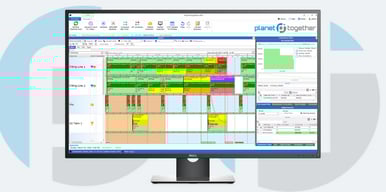
PlanetTogether APS improves KPI tracking when it is connected to ERP, MES, and SCM systems. Instead of pulling information from disconnected tools, manufacturers can work from a more complete and current view of operations.
That connected view improves KPI tracking in five important ways.
Unified data management
Integration reduces silos and helps teams work from consistent operational data across planning and execution systems.
End-to-end visibility
Connected systems make it easier to track performance across procurement, production, inventory, and delivery instead of reviewing each stage in isolation.
Automated analysis
When systems share data in real time, teams can identify trends, bottlenecks, and exceptions faster.
Dynamic scheduling and optimization
Integrated APS can respond to changes in demand, materials, or capacity by updating schedules and helping planners protect performance targets.
Predictive insight
Historical and current data together can help teams anticipate future bottlenecks, material risk, and schedule instability before they affect output.
Decision Framework: Where Is KPI Visibility Breaking Down?
Use this quick diagnostic to identify where connected KPI tracking will create the most value first:
- Schedule changes outpace your team’s response time.
Prioritize APS visibility into schedule adherence, capacity, bottlenecks, and late-order risk.
- Material or supplier issues keep disrupting production.
Prioritize ERP and SCM-connected KPI tracking so planners can see shortages, inventory risk, and supply-related delays sooner.
- Quality or compliance issues are found too late.
Prioritize MES-connected KPI visibility for quality performance, deviations, and exception response.
- Teams spend too much time reconciling numbers across systems.
Prioritize integrated KPI tracking that gives planners, operations, and IT one consistent view of performance.
The best starting point is usually the KPI gap that creates the most recurring cost, compliance risk, or schedule instability.
How PlanetTogether APS Helps Medical Manufacturers Act on KPI Data
Tracking KPIs is useful only when teams can act on what they see. PlanetTogether APS helps medical manufacturers turn KPI visibility into better scheduling, faster response, and more stable operations.
When APS is connected to ERP, MES, and SCM systems, teams can:
- improve schedule visibility across planning and execution
- respond faster to disruptions in demand, materials, or capacity
- reduce manual KPI reconciliation across systems
- improve bottleneck visibility and exception response
- support more informed decisions with current operational data
This helps medical manufacturers move from delayed reporting to faster, more reliable action.
Check Your APS Readiness for Real-Time KPI Tracking
Real-time KPI tracking only helps when your scheduling data, ERP inputs, and shop-floor workflows support action. Use the APS Readiness Score to assess data, metrics, and change readiness before an APS project.

FAQs About KPI Tracking in Medical Manufacturing
What manufacturing KPIs should medical manufacturers track in real time?
Medical manufacturers often need real-time visibility into schedule adherence, on-time delivery, capacity utilization, downtime, inventory status, quality performance, and exception rates. The right KPI mix depends on whether your biggest risk is compliance, throughput, material availability, or service performance.
How does APS improve KPI tracking?
APS improves KPI tracking by connecting planning data with real production constraints. When APS is integrated with ERP, MES, and SCM systems, teams can monitor how demand, capacity, materials, and execution changes affect schedule performance and operational results.
Why integrate APS with ERP, MES, and SCM systems?
Integration helps eliminate data silos and gives planners a more complete picture of operations. ERP supports business and order data, MES supports execution and shop-floor data, SCM supports supply visibility, and APS turns those inputs into feasible plans and schedules.
Can real-time KPI tracking help with compliance in medical manufacturing?
Yes. Real-time KPI tracking helps teams identify deviations faster, respond to quality issues sooner, and maintain stronger visibility into operational performance. That can support more consistent execution in a highly regulated environment.
When should a manufacturer move from manual KPI reporting to integrated KPI tracking?
Manufacturers should move beyond manual KPI reporting when planners are working from stale data, teams are reconciling conflicting numbers, disruptions are frequent, or schedule and quality issues are being discovered too late to respond effectively.
See PlanetTogether APS in Action
Ready to improve KPI visibility across planning and execution?Request a PlanetTogether APS demo to see how ERP-, MES-, and SCM-connected scheduling helps your team track performance, respond faster, and make better decisions in medical manufacturing.