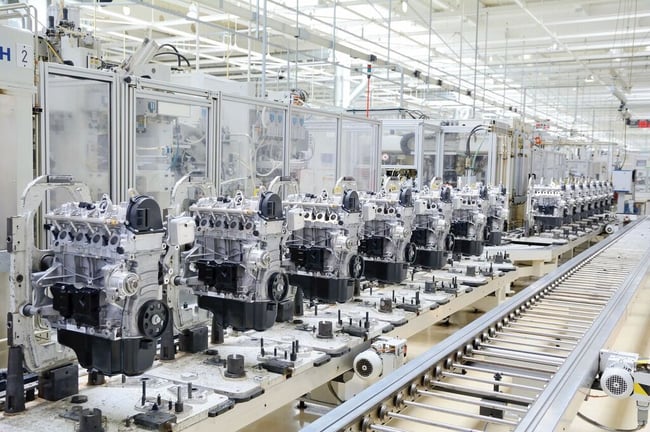
Answer Capsule: Agile Manufacturing Defined
Agile manufacturing helps a plant react fast when demand, product mix, material supply, or due dates change. It builds on lean manufacturing but puts more weight on speed, flexibility, and custom orders. For planners, agility depends on clean data, visible limits, and schedules that can change before small issues become missed orders.
Agile manufacturing helps a plant keep work moving when plans change. It builds on lean methods. Yet it puts more weight on speed, mix, and customer needs. For planners, agility means clear data and known limits. The goal is simple. Adjust the plan before change hurts the floor.
What Is Agile Manufacturing?
Agile manufacturing is a strategy for fast response. It helps a plant adapt to new demand. It also helps with custom orders, late materials, and rush dates. Therefore, teams can protect cost, service, and flow.
Unlike lean manufacturing, agile work does not focus only on waste. Lean manufacturing helps teams cut delays. It also helps reduce excess stock and defects. However, agile teams need flexible plans. They also need quick schedule moves.
As a result, the plant must see real limits first. These limits include machines, labor, parts, suppliers, changeovers, and due dates. eliminating waste is useful. Still, agile work also needs fast response when those limits change.
Key Factors of Agile Manufacturing
Agile work depends on five factors. Specifically, they are customer-focused design, shared data, supply chain teamwork, employee training, and full company support. Together, they help teams react faster. They also reduce manual schedule fixes.
1. Customer-Focused Product Design
First, customer-focused design keeps the plant close to buyer needs. Customers often expect more options. They also expect faster delivery. Therefore, plants need designs that support product mix without extra delay.
For example, planners should know which jobs share parts. They should also know shared routings, tools, and labor skills. Also, they should know where changeovers add time. Then, they can group work and protect due dates.
2. Integrated Technology
Second, technology gives teams the data they need to act. Sales, service, planning, buying, and production need one reliable view. Without that view, each team may work from a different plan.
In practice, ERP, MES, and scheduling tools should support the same schedule. Planners need current production and inventory data, capacity, and limits. Then, they can update the plan with more confidence.
3. Supply Chain Cooperation
Third, supply chain cooperation helps the plant respond to material and shipping changes. Suppliers need realistic demand signals. Likewise, planners need timely supply updates before they release work.
For that reason, the supply chain should support the planning process. Better supplier visibility helps teams reduce surprises. It also helps them protect priority orders before shortages reach the floor.
4. Employee Training
Fourth, employee training helps teams use agile methods the same way. Workers need more than a quick overview. They need to know how changes affect machines. They also need to know impacts on materials, labor, quality, and delivery.
As a result, training should link daily choices to the schedule goal. When teams know how to respond, the plant can adjust faster. For example, this matters during rush orders, downtime, or late materials.
5. Full Company Involvement
Fifth, company-wide support keeps agility from becoming one team's project. Agile work needs help from operations, planning, buying, sales, engineering, and leadership. If only one team changes, the full schedule still moves slowly.
Therefore, leaders should review the operating model first. New plants and expansions can offer a cleaner start. Still, existing plants can improve. Every team should share the same priorities.
A Simple Check for Agile Manufacturing Readiness
Use this three-step check. It shows whether your plant can support agile scheduling.
1. Check Constraint Visibility
Can planners see machine time, labor, parts, changeovers, supplier timing, and due dates? Also, can they see those limits before they release the schedule?
2. Check Schedule Response Time
Can the team adjust the schedule quickly? Can it respond when demand shifts, equipment fails, or materials arrive late?
3. Check Cross-Team Alignment
Do sales, planning, buying, production, and leadership share the same schedule priorities?
If the answer is “no” to two or more questions, the plant may need stronger scheduling tools. Then, agile methods can work with fewer daily fixes.
How APS Software Supports Agile Manufacturing
APS helps teams make agile work practical. It gives planners a faster way to adjust schedules. For example, this helps when demand, supply, or resource capacity changes.
Instead of rebuilding plans by hand, planners can compare options around real limits. These limits include finite machine time, labor skills, parts, routings, changeovers, and due dates. Because the schedule reflects those limits, teams can make better trade-offs.
PlanetTogether APS supports agile work. It helps teams create and update schedules as conditions change. In an agile plant, planners need to see bottlenecks. Also, they need to test scenarios before they release work.
PlanetTogether enables us to provide a quality product to our customers in a timely manner.
GREGORY VAN LEIRSBURG, PRODUCTION SCHEDULER, STANDARD PROCESS SUPPLEMENTS
Advanced Planning and Scheduling (APS) Software
APS software helps a plant build realistic schedules. Those schedules use capacity, materials, labor, and order priority. These tools support agility. Planners can update plans and test scenarios.
APS Systems can be quickly integrated with ERP and MRP software to close planning gaps. In many plants, APS becomes the scheduling layer. Then, it turns operating data into a usable production plan.
With PlanetTogether APS, planners can optimize schedules. They can improve bottleneck use. They can align supply with demand. They can also see resource capacity and test options before changes reach the floor.
Therefore, APS is a practical step for plants that want more agile planning. It helps teams use the data they already have. It also helps them respond faster when demand or limits change.
How to Import MRP Data into APS for Better Scheduling
This Q&A video explains how teams can bring MRP data into APS. It is useful for planners, schedulers, IT teams, and ERP or MRP owners. These teams need cleaner data flow between planning tools.
The topic connects directly to agile work. When demand, parts, or capacity shift, planners need current order, stock, routing, and supply data. They need that data before they adjust the schedule.
For plants that use ERP, MRP, or MRP II systems, importing MRP data into APS can reduce manual schedule updates. As a result, teams can respond faster to shortages, priority changes, and bottlenecks.
Download Our MRP Planning Infographic
Agile work depends on fast and accurate planning data. However, many teams still struggle to connect material plans with production schedules. When MRP data stays in a silo, planners may miss shortages. They may also miss late purchase orders or stock risks.
The MRP Planning Infographic shows what goes into material requirements planning. It also shows what comes out. It maps inputs such as BOMs, purchase orders, stock, lead time, reorder points, safety stock, and the master production schedule. Then, it connects those inputs to projected stock, ETAs, runout dates, shortages, excess stock, and production plans.
This matters because APS works best with material signals and real production limits. Therefore, teams can use this infographic to review the data behind better schedule decisions. It also shows why MRP and APS should work together.
Download the infographic to see how MRP data supports:
- Clearer visibility into material needs and shortages.
- Better alignment between inventory, buying, and production.
- More reliable plans based on MPS and BOM data.
- Earlier review of runout dates and excess stock.
- Stronger APS decisions using cleaner planning inputs.
Download Our Free Material Requirements Planning (MRP) infographic Now
Agile Manufacturing FAQs
What is agile manufacturing?
Agile manufacturing is a strategy that helps a plant respond quickly. It helps with changing demand, custom orders, material issues, and delivery priorities. Also, it keeps planning, production, suppliers, and customer-facing teams aligned.
How is agile manufacturing different from lean manufacturing?
Lean manufacturing focuses on cutting waste, defects, delays, and excess stock. Agile manufacturing can use lean methods. However, its main goal is fast response. Agile plants need flexible schedules, clear limits, and quick decisions.
Why does agile manufacturing matter for production scheduling?
Agile work matters because schedules often change. Demand shifts. Materials arrive late. Machines go down. Priorities move. Therefore, planners need a process that can adjust work around capacity, labor, materials, changeovers, and due dates.
What role does APS software play in agile manufacturing?
APS software supports agile work by helping planners create realistic schedules. Those schedules use finite capacity, materials, labor, routings, and due dates. Also, teams can compare scenarios before they release changes to the floor.
When should a manufacturer consider APS for agility?
A manufacturer should consider APS when planners spend too much time changing schedules by hand. The same is true when teams chase material updates or manage bottlenecks manually. These signs often mean the plant needs clearer limits and faster schedule support.
Ready to see how PlanetTogether handles real production constraints? Request a free PlanetTogether APS demo to see how APS supports finite capacity planning, bottleneck visibility, and faster schedule decisions.